These little ones had already spent two weeks adjusting to their new environment - a large house with space to run, and the promise of moving one day to an even bigger piece of farmland.
The adopter, a woman I see as gentle and kind-hearted, wanted to give them a home. Her plan was to let them grow with her family, eventually bringing them along when they settled into their retirement home.
It sounded ideal. Until it wasn’t.
Yesterday, her husband decided the puppies were not the “right” kind of dogs. Why? Because they are not “barkers.”
He wants a guard dog - one that barks at anything and everything. His idea of a good dog is one that reacts aggressively, anxiously, and constantly.
Ironically, their existing dog (a three-year-old, underweight, poorly cared-for animal who barks out of fear and anxiety) is considered by him to be the model example.
(Incase you’re wondering, yes… I’ve gone through this matter with the lady in advance whereby she admitted their mistake & promised to do better by the dog)
In his eyes, my two rescued puppies are “not good enough.”
And so they are being sent back.
I wish this were just one unfortunate story. But the truth is, it mirrors a much bigger problem in our society.
Too many people see dogs as tools - guard dogs, breeding machines, property markers. Rarely are they seen as sentient beings with emotions, instincts, and needs.
What makes this case even more heartbreaking is a comment the husband made: that he wanted to let the female “give birth once,” so that they could have their own puppies to train as guard dogs.
This is exactly the kind of mentality that feeds Malaysia’s stray population crisis. While animal rescuers, feeders, and NGOs work tirelessly to spay, neuter, and rehome, there are still far too many people who believe in breeding for convenience or preference - all while thousands of puppies are born on the streets every month, many only to suffer, starve, or die prematurely.
The wife in this story is kind. She appreciates the gentleness of the puppies. But she is not the one making decisions. She keeps quiet, defers to her husband, and accepts his reasoning - even when it perpetuates the very cycle that fuels our stray problem.
This is what I find most difficult to reconcile. That good people, with resources and opportunities to help break the cycle, still fall back into old, destructive mindsets.
And this is why I continue to speak up.
Because rehoming strays is not just about finding them a roof and food. It is about reshaping mindsets. It is about breaking misconceptions: that only a barking, anxious dog can protect; that breeding is necessary; that dogs exist to serve, not to coexist.
Every adoption should be an opportunity to create better owners. Every returned puppy is a reminder of how much more work we still need to do.
Tomorrow, these two puppies won’t be going to a warm bed or a forever family.
They are returning to the jungle - the only life they knew before rescue. It breaks me, because adoption should have been their chance at something better. But at least there, they’ll be with their family, and surrounded by what’s familiar.
I will keep doing this work, however exhausting, because until more people begin to understand and reflect, the cycle will never break.
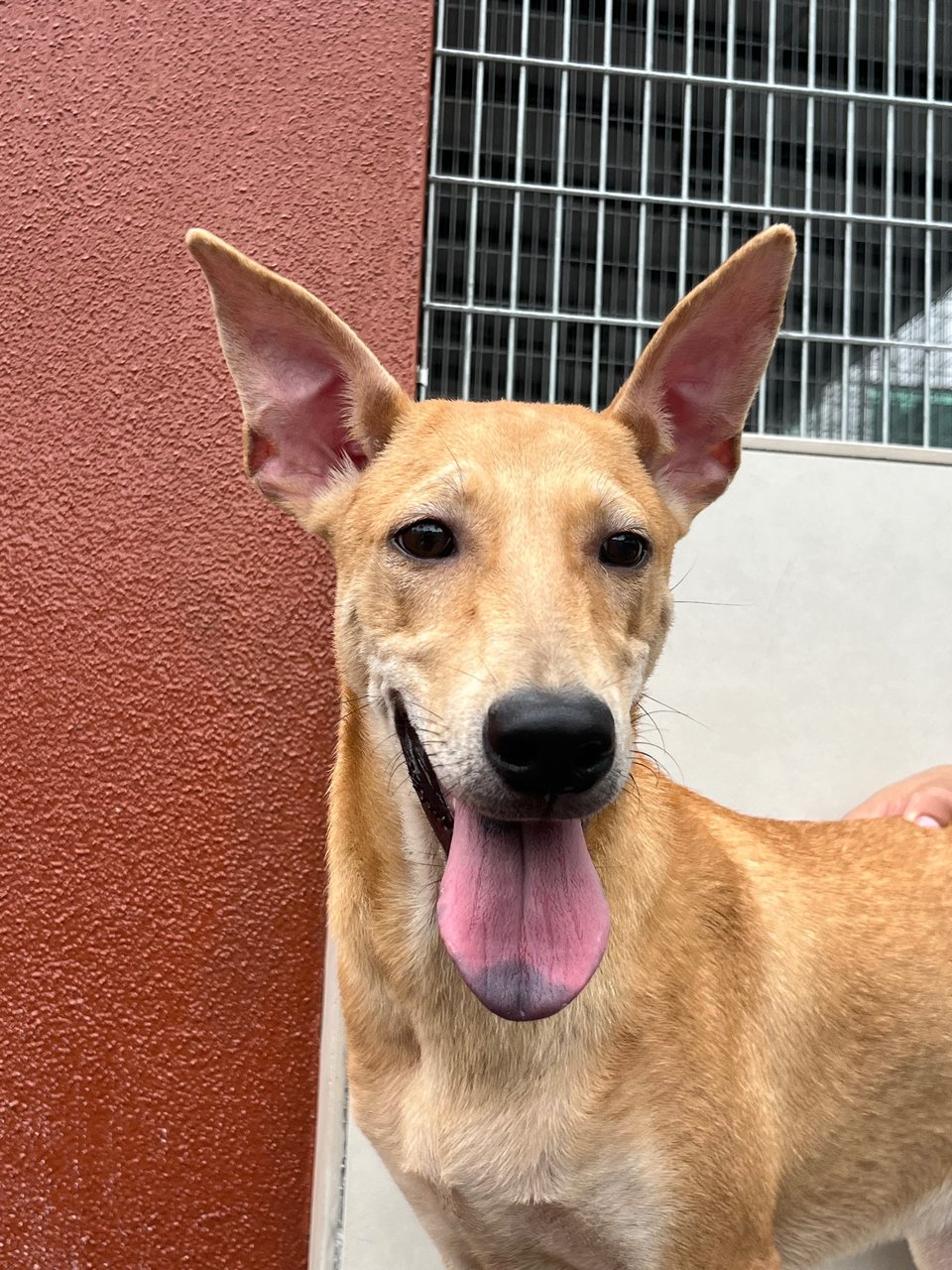
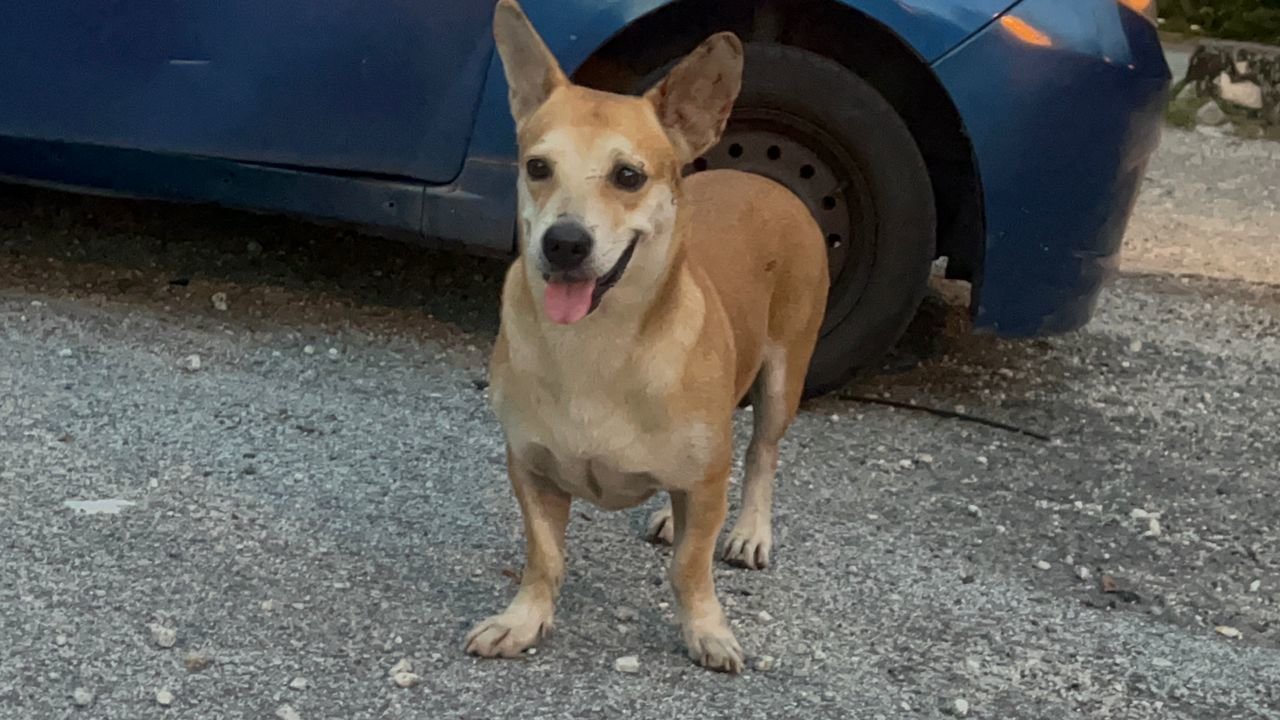
Seri and Rimba are sweet natured 4 months young pups. Seri has an alpha trait in her, and she can shine with proper guidance. Rimba is just so full of love and gentleness. He’s the perfect family dog to cuddle and love.
If you have a space in your heart and home for them, let me know. I am willing to continue this journey to find them good forever families.
These little ones had already spent two weeks adjusting to their new environment - a large house with space to run, and the promise of moving one day to an even bigger piece of farmland.
The adopter, a woman I see as gentle and kind-hearted, wanted to give them a home. Her plan was to let them grow with her family, eventually bringing them along when they settled into their retirement home.
It sounded ideal. Until it wasn’t.
Yesterday, her husband decided the puppies were not the “right” kind of dogs. Why? Because they are not “barkers.”
He wants a guard dog - one that barks at anything and everything. His idea of a good dog is one that reacts aggressively, anxiously, and constantly.
Ironically, their existing dog (a three-year-old, underweight, poorly cared-for animal who barks out of fear and anxiety) is considered by him to be the model example.
(In case you’re wondering, yes… I’ve gone through this matter with the lady in advance whereby she admitted their mistake & promised to do better by the dog)
In his eyes, my two rescued puppies are “not good enough.”
And so they are being sent back.
I wish this were just one unfortunate story. But the truth is, it mirrors a much bigger problem in our society.
Too many people see dogs as tools - guard dogs, breeding machines, property markers. Rarely are they seen as sentient beings with emotions, instincts, and needs.
What makes this case even more heartbreaking is a comment the husband made: that he wanted to let the female “give birth once,” so that they could have their own puppies to train as guard dogs.
This is exactly the kind of mentality that feeds Malaysia’s stray population crisis. While animal rescuers, feeders, and NGOs work tirelessly to spay, neuter, and rehome, there are still far too many people who believe in breeding for convenience or preference - all while thousands of puppies are born on the streets every month, many only to suffer, starve, or die prematurely.
The wife in this story is kind. She appreciates the gentleness of the puppies. But she is not the one making decisions. She keeps quiet, defers to her husband, and accepts his reasoning - even when it perpetuates the very cycle that fuels our stray problem.
This is what I find most difficult to reconcile. That good people, with resources and opportunities to help break the cycle, still fall back into old, destructive mindsets.
And this is why I continue to speak up.
Because rehoming strays is not just about finding them a roof and food. It is about reshaping mindsets. It is about breaking misconceptions: that only a barking, anxious dog can protect; that breeding is necessary; that dogs exist to serve, not to coexist.
Every adoption should be an opportunity to create better owners. Every returned puppy is a reminder of how much more work we still need to do.
Tomorrow, these two puppies won’t be going to a warm bed or a forever family.
They are returning to the jungle - the only life they knew before rescue. It breaks me, because adoption should have been their chance at something better. But at least there, they’ll be with their family, and surrounded by what’s familiar.
I will keep doing this work, however exhausting, because until more people begin to understand and reflect, the cycle will never break.
Seri and Rimba are sweet natured 4 months young pups. Seri has an alpha trait in her, and she can shine with proper guidance. Rimba is just so full of love and gentleness. He’s the perfect family dog to cuddle and love.
If you have a space in your heart and home for them, let me know. I am willing to continue this journey to find them good forever families.
---
Kecil-kecil ini telah menghabiskan dua minggu menyesuaikan diri dengan persekitaran baru mereka - sebuah rumah besar dengan ruang untuk berlari, dan janji untuk berpindah ke sebidang tanah pertanian yang lebih besar suatu hari nanti. Pengadopsi, seorang wanita yang saya lihat lembut dan baik hati, ingin memberikan mereka sebuah rumah. Rancangannya adalah membiarkan mereka membesar bersama keluarganya, akhirnya membawa mereka bersama ketika mereka menetap di rumah persaraan mereka.
Ia kedengaran ideal. Sehinggalah ia tidak lagi.
Semalam, suaminya memutuskan bahawa anak anjing itu bukan jenis anjing yang "betul". Kenapa? Kerana mereka bukan "anjing yang menyalak".
Dia mahu anjing penjaga - yang menyalak pada apa sahaja dan segala-galanya. Ideanya tentang anjing yang baik adalah satu yang bertindak balas secara agresif, cemas, dan sentiasa.
Ironinya, anjing mereka yang sedia ada (sebuah haiwan berumur tiga tahun, kurang berat badan, dijaga dengan buruk yang menyalak kerana ketakutan dan kecemasan) dianggap olehnya sebagai contoh teladan.
(Jika anda tertanya-tanya, ya… saya telah membincangkan perkara ini dengan wanita itu sebelumnya di mana dia mengakui kesalahan mereka dan berjanji untuk melakukan yang lebih baik untuk anjing itu)
Di matanya, saya dua anak anjing yang diselamatkan "tidak cukup baik".
Dan jadi mereka akan dihantar kembali.
Saya berharap ini hanya satu cerita malang. Tetapi hakikatnya, ia mencerminkan masalah yang jauh lebih besar dalam masyarakat kita.
Terlalu ramai orang melihat anjing sebagai alat - anjing penjaga, mesin pembiakan, penanda harta. Jarang mereka dilihat sebagai makhluk yang memiliki perasaan, naluri, dan keperluan.
Apa yang menjadikan kes ini lebih menyedihkan lagi adalah komen yang dibuat suaminya: bahawa dia mahu membiarkan betina itu "melahirkan sekali", supaya mereka dapat mempunyai anak anjing mereka sendiri untuk dilatih sebagai anjing penjaga.
Inilah jenis pemikiran yang memberi makan krisis populasi anjing liar di Malaysia. Sementara penyelamat haiwan, pemberi makanan, dan NGO berusaha tanpa mengenal penat lelah untuk mensterilkan, mengubah jantina, dan memberikan rumah baru, masih terdapat terlalu ramai orang yang percaya dalam pembiakan untuk keselesaan atau pilihan - semuanya sementara ribuan anak anjing dilahirkan di jalanan setiap bulan, banyak yang hanya untuk menderita, kebuluran, atau mati lebih awal.
Isteri dalam cerita ini adalah baik. Dia menghargai kelembutan anak anjing tersebut. Tetapi dia bukan orang yang membuat keputusan. Dia berdiam diri, menumpu kepada suaminya, dan menerima alasannya - walaupun ia memperpanjangkan kitaran yang membakar masalah anjing liar kita.
Inilah yang saya dapati paling sukar untuk dipadankan. Bahawa orang baik, dengan sumber daya dan peluang untuk membantu memutuskan kitaran, masih jatuh kembali ke dalam pemikiran lama yang merosakkan.
Dan inilah sebabnya saya terus bersuara.
Kerana memberikan rumah baru kepada anjing liar bukan hanya tentang mencari mereka atap dan makanan. Ia tentang membentuk semula minda. Ia tentang memecahkan salah faham: bahawa hanya anjing yang menyalak dan cemas dapat melindungi; bahawa pembiakan adalah perlu; bahawa anjing wujud untuk melayani, bukan untuk hidup bersama.
Setiap pengadopsian harus menjadi peluang untuk mencipta pemilik yang lebih baik. Setiap anak anjing yang dikembalikan adalah peringatan tentang berapa banyak lagi yang perlu kita lakukan.
Esok, kedua-dua anak anjing ini tidak akan pergi ke tempat tidur yang hangat atau keluarga selamanya.
Mereka akan kembali ke hutan - satu-satunya kehidupan yang mereka ketahui sebelum diselamatkan. Ia merobek hati saya, kerana pengadopsian seharusnya menjadi peluang mereka untuk sesuatu yang lebih baik. Tetapi sekurang-kurangnya di sana, mereka akan bersama keluarga mereka, dan dikelilingi oleh apa yang dikenal.
Saya akan terus melakukan kerja ini, walaupun penat, kerana sehingga lebih ramai orang mula memahami dan merenung, kitaran itu tidak akan pernah terputus.
Seri dan Rimba adalah anak anjing berumur 4 bulan yang lembut hati. Seri mempunyai sifat alfa dalam dirinya, dan dia boleh bersinar dengan bimbingan yang betul. Rimba pula penuh dengan kasih sayang dan kelembutan. Dia adalah anjing keluarga yang sempurna untuk dipeluk dan dicintai.
Jika anda mempunyai ruang di hati dan rumah anda untuk mereka, beritahu saya. Saya bersedia untuk meneruskan perjalanan ini untuk mencari mereka keluarga yang baik dan selamanya.
这些小家伙们已经花了两周时间适应他们的新环境——一栋宽敞的房子,可以自由奔跑,还有一天能够搬到更大农田的承诺。收养者是一位我认为温柔善良的女性,她想给他们一个家。她的计划是让他们和她的家人一起成长,最终在她们安顿好退休生活时,把他们带上。
这听起来很理想。直到事情变得不再理想。
昨天,她的丈夫决定这些小狗不是“合适”的狗。为什么?因为它们不是“爱叫”的狗。
他想要一只看门狗——一只对任何事情都要吠叫的狗。他心目中的好狗是那种反应激烈、焦虑和不停吠叫的狗。
讽刺的是,他们现有的狗(是一只三岁、体重不足、照顾不周的动物,因恐惧和焦虑而吠叫)在他眼中则是模范例子。
(如果你在想,没错……我已经和那位女士讨论过这一问题。她承认了他们的错误,并承诺会对狗狗做得更好。)
在他眼中,我救助的两只小狗“还不够好”。
于是,它们要被送回去。
我希望这只是一个不幸的故事。但事实是,它反映了我们社会中更大的问题。
太多人将狗视为工具——看门狗、繁殖机器、财产标记。它们很少被视为有思想、有情感和需求的生物。
更令人心碎的是,丈夫所说的一句话:他想让母狗“生一胎”,这样他们就可以有自己的小狗来训练成看门狗。
这正是滋养马来西亚流浪动物人口危机的心态。尽管动物救助者、喂养者和非政府组织不懈努力进行绝育、收养,仍然有太多人相信出于方便或偏好而繁殖——与此同时,每个月都有成千上万的小狗在街头出生,其中许多小狗只能受苦、挨饿或早逝。
故事中的妻子很善良。她欣赏这两只小狗的温柔。但她并不是做决定的人。她保持沉默,听从丈夫,接受他的理由——即使这延续了加剧我们流浪动物问题的循环。
这就是我最难以调和的问题。好人,有资源和机会去打破循环,最终却仍然回到旧的、破坏性的思维模式。
这就是我继续发声的原因。
因为重新安置流浪动物不仅仅是找到一个屋顶和食物。更是关于重塑思维方式。这是关于打破一些误解:仅有一只吠叫和焦虑的狗才能保护;繁殖是必要的;狗的存在是为人服务,而不是共存。
每一次收养都应是创造更好主人机会的时刻。每一只被退回的小狗都是我们还有多少工作要做的提醒。
明天,这两只小狗不会去温暖的床或者永远的家。
它们要回到丛林——这是它们被救助之前唯一知道的生活。让我心碎,因为收养本应是它们获得更好生活的机会。但至少在那里,它们会和家人在一起,身边是熟悉的环境。
我会继续做这项工作,尽管非常疲惫,因为直到更多的人开始理解和反思,这个循环永远不会打破。
Seri和Rimba是性格温和的四个月小狗。Seri身上有一种领导特质,如果能得到适当的引导,她会发光。Rimba则充满爱与温柔。他是完美的家庭犬,适合依偎和爱护。
如果你心中和家中有空间接纳它们,请告诉我。我愿意继续这段旅程,为它们找到好的永远家庭。






 PetGPT Nibbles


